- Celebrity net worth. Jesse Jackson's net worth: How much was the reverend worth before his death
- Las Vegas Raiders. The Raiders decide Geno Smith's future, although nothing is written yet
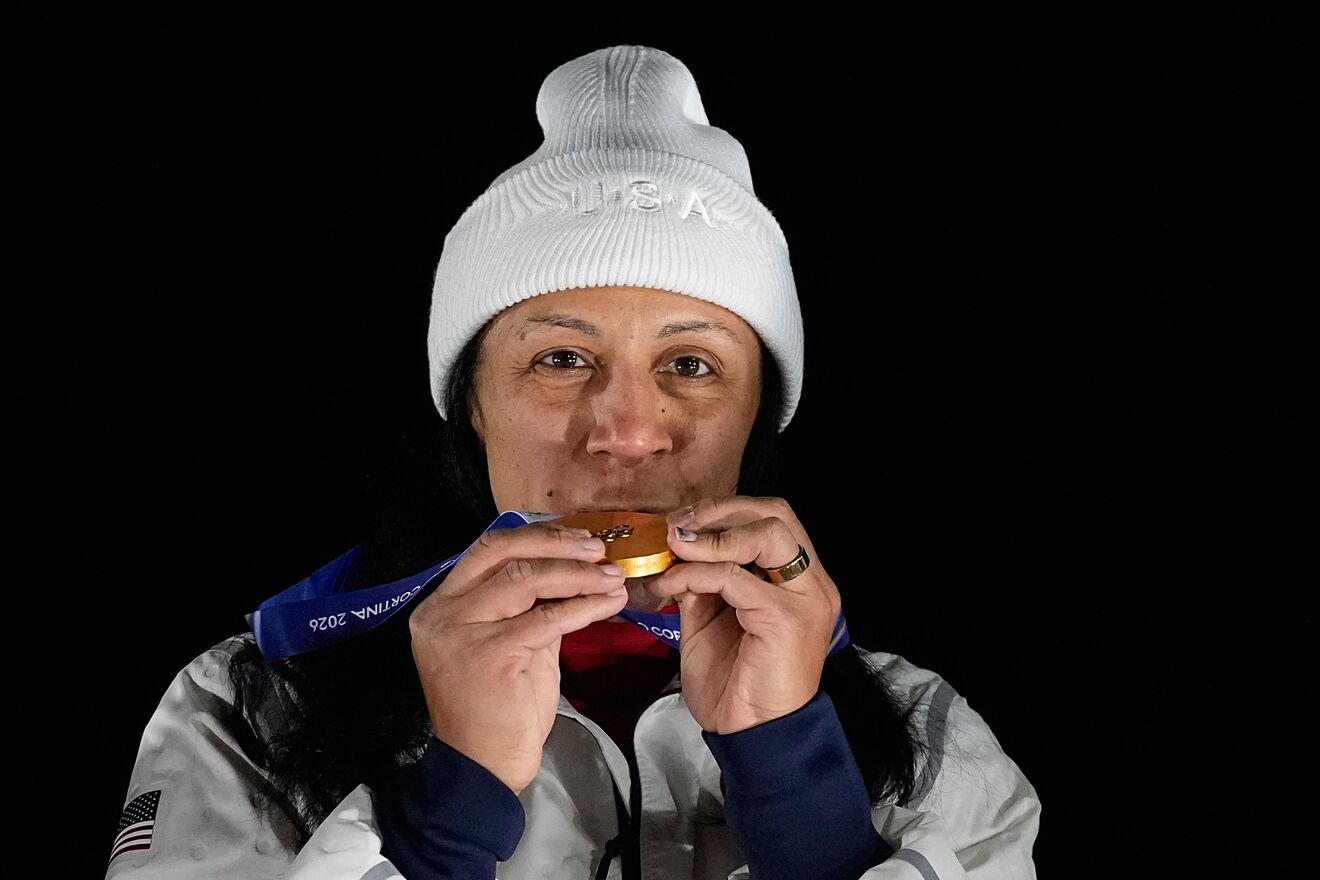
When Elana Meyers Taylor crossed the finish line and secured Olympic gold at 41, the moment that followed mattered even more than the medal. Instead of roaring celebration, she turned to the stands and signed four simple words to her deaf son: "Mommy won."
It was a victory measured not only in seconds, but in meaning.
A gold medal that meant more
At the Winter Olympics, Meyers Taylor became the oldest U.S. woman to win Winter Olympic gold. Competing in women's monobob, she delivered a performance built on experience, discipline, and resilience.
Her résumé now includes:
1 Olympic gold medal
Multiple silver and bronze medals
Six Olympic medals across five Games
One of the most decorated U.S. bobsledders in history
But statistics alone don't tell the story.
The moment that stole the spotlight
Moments after her victory, cameras captured Meyers Taylor signing to her son Nico. Born prematurely and later diagnosed with hearing loss, Nico has been central to her journey as an athlete and advocate.
That quiet exchange resonated worldwide for three reasons:
Representation matters Seeing an elite athlete communicate in sign language on the Olympic stage humanized disability in a powerful way.
Motherhood and elite sport can coexist. Meyers Taylor has openly discussed balancing parenting with world-class competition.
Experience wins At 41, she proved longevity and mastery can outlast youth narratives in high-performance sports.
Meyers Taylor's gold wasn't a comeback story built on luck. It was the culmination of:
Years of World Cup podium finishes
Advanced technical expertise in sled mechanics
Deep race day composure under Olympic pressure
Her victory challenges a common sports myth: that peak performance belongs only to athletes in their 20s.