- Tickets. Get the best tickets for NFL, NBA, WNBA, MLB games and more on Tickets MARCA
- NFL. Who will perform at Super Bowl 61? Miley Cyrus and Morgan Wallen lead odds
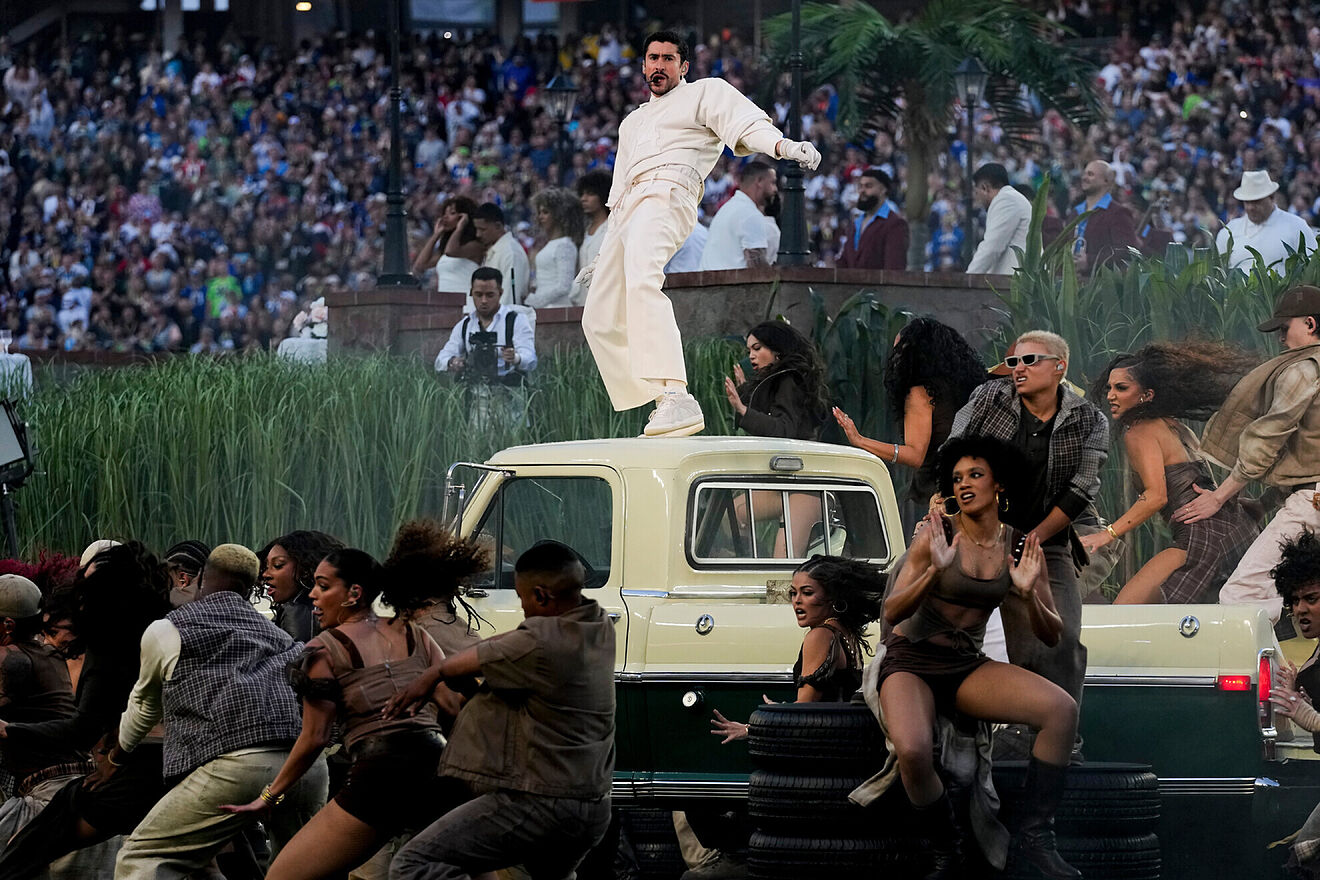
The Federal Communications Commission (FCC) is receiving widespread praise after concluding its review of Bad Bunny'sSuper Bowl 60 halftime performance without issuing fines or sanctions.
The decision comes after concerns were raised over the potential for explicit content during the Puerto Rico-born artist's appearance at Levi's Stadium in Santa Clara, California. The broadcast drew an audience exceeding 120 million viewers, making it one of the most-watched halftime shows in history.
Bad Bunny's roughly 15-minute set featured a dynamic medley of his hits, combining reggaeton, Latin trap, and high-energy choreography. Despite the enormous audience, the performance sparked debate about whether some of the content might breach FCC guidelines regarding indecency during family-viewing hours.
Critics, including Republican lawmakers, called for an investigation, citing suggestive lyrics and provocative movements as potentially inappropriate for a primetime broadcast.
Those concerns largely focused on songs like Safaera, Tití Me Preguntó, and Monaco, which in their original versions contain sexually explicit content. Conservative commentators argued that airing such material live could have violated FCC rules that prohibit profanity or sexual content on public airwaves during primetime hours.
Social media quickly amplified the controversy, with discussions centering on whether the halftime show had crossed the line between mainstream entertainment and inappropriate content.
Despite the criticism, the FCC's final review found no violations. The agency determined that the songs performed during the halftime show had been carefully edited to remove graphic sexual references, profanity, and other potentially objectionable material.
Since the live broadcast contained only these sanitized versions, the FCC opted not to pursue enforcement action. The agency also reiterated that its standards apply broadly, cautioning all performers that "language or material that, in context, depicts or describes, in terms patently offensive as measured by contemporary community standards for the broadcast medium, sexual or excretory organs or activities ... may be subject to enforcement action."
FCC decision draws praise and debate
Supporters of the FCC's ruling praised the agency for balancing artistic expression with public broadcasting standards. Music fans and free-speech advocates noted that careful editing allowed the artist to perform creatively while respecting a mainstream audience.
At the same time, critics have suggested that the issue highlights broader questions, such as how networks and organizations like the NFL vet content for prime-time audiences and whether stricter guidelines are needed for live performances.
Bad Bunny's appearance has been celebrated as a historic moment for Latin music, showcasing how reggaeton and Latin trap can reach the largest stages in global entertainment. Meanwhile, lawmakers who remain concerned have hinted at potential future inquiries, keeping the conversation alive about broadcast standards, creative freedom, and cultural norms.
Ultimately, the FCC's decision underscores the ongoing challenge of balancing regulation and expression in a rapidly evolving media landscape.