- SUPER BOWL. Jennifer Lopez's emotional message to Bad Bunny comes with controversial move
- SUPER BOWL. Bad Bunny gets Cardi B dancing during Super Bowl Halftime Show
For the first time in Super Bowl history, the halftime show was headlined by an artist who primarily performs in a language other than English.
That distinction belonged to Bad Bunny, who stepped onto the biggest stage in American sports carrying both cultural significance and enormous expectations.
The moment was historic by any measure, but once the spectacle faded, a more complicated conversation emerged about whether the performance truly resonated with everyone watching at home.
Related:
- Super Bowl 2026: Date, time, location, and everything to know
- Where to watch the Super Bowl 2026? TV channel and streaming
- Super Bowl Halftime Show 2026: Everything about Bad Bunny's performance
- How much do tickets for the Super Bowl cost in 2026?
- Super Bowl Winners List: All teams that have won the Vince Lombardi
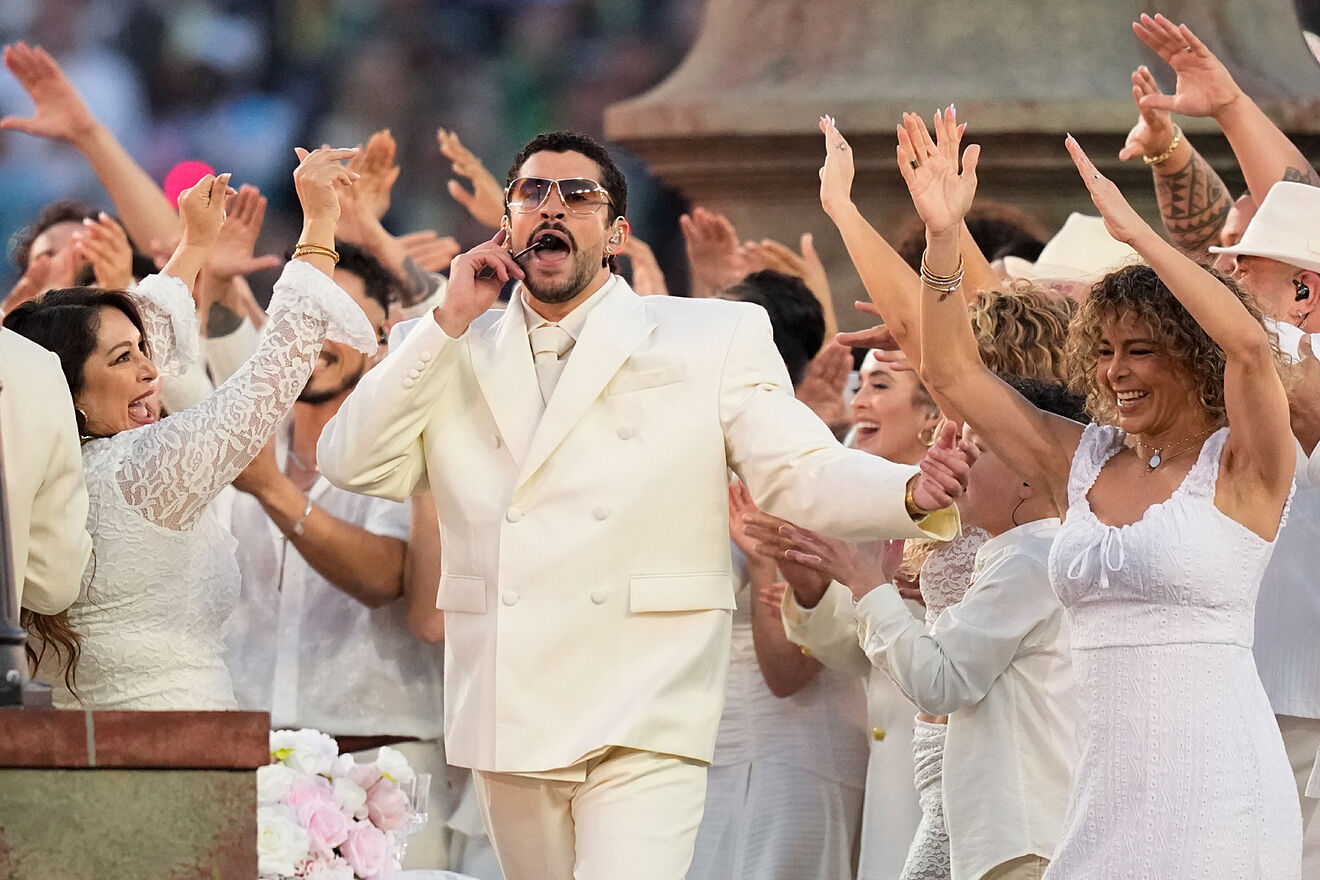
Bad Bunny opened the halftime show with a visually ambitious sequence, despite having less than 10 minutes to set up the stage.
The singer - real name Benito Antonio Martínez Ocasio - could be seen walking through a field of workers before the scene seamlessly transitioned into a street-style dance party set in Puerto Rico.
The performance barely paused for breath. Crowd surfing, a wedding scene, and a constant rotation of dancers created an atmosphere of controlled chaos.
In many ways, it embodied what a Super Bowl halftime show is designed to be. It was loud and impossible to ignore.
Gaga, Pedro Pascal and Jessica Alba represent Latin culture
As the pace reached its peak, surprise appearances elevated the spectacle even further. Lady Gaga joined Bad Bunny on stage for a Latin-infused version of "Die With a Smile," delivering high-energy choreography that immediately grabbed attention.
Shortly afterward, Ricky Martin appeared for a brief but elegant contribution that leaned into nostalgia and musical heritage.
Cameras also captured Pedro Pascal and Jessica Alba dancing along in the crowd, reinforcing the sense that the performance extended far beyond the stage itself.
The night eventually slowed for a more reflective conclusion. The star-studded show ended with Bad Bunny delivering a clear message of unity to the audience: "Lo único más poderoso que el odio, es el amor," he said. The direct translation for this is: "The only thing more powerful than hate is love."
In that moment, the intent behind the performance was unmistakable. The message was meant to transcend language and politics, positioning love as a unifying force. Still, despite the polished production and cultural ambition, frustration followed almost immediately online.
Many viewers shifted their focus away from the staging and toward the music itself, with some openly questioning whether the performance connected with a broad United States audience.
One fan said: "One of the best set designs I've seen, but I'm not really a fan of his music."
Another wrote: "I did watch, but I hated it because I don't understand Spanish. The showmanship looked good if I could understand."
Bad Bunny, the only source of excitement
That perceived disconnect fueled boycott talk and kept criticism circulating throughout social media.
At the same time, many others praised the halftime show for its energy, choreography, and production value, arguing that the spectacle succeeded precisely because it challenged expectations.
With Seattle leading 12-0 purely on field goals, the game itself struggled to generate sustained excitement.
Then AJ Barner scored a touchdown for Seahawks, before Mack Hollins replied for the Patriots to make it 19-7.
For many viewers, Bad Bunny's halftime performance became the defining talking point of the night, for better or worse.
In the end, the show accomplished something undeniable: it sparked conversation. Whether viewed as a cultural breakthrough or a polarizing misstep, Bad Bunny's Super Bowl moment ensured that this halftime show will be remembered long after the final whistle.