- TICKETS. Get the best tickets for NFL, NBA, WNBA, MLB games and more on Tickets MARCA!
- Green Bay Packers. Jordan Love ends doubts about Matt LaFleur's future after the Packers' defeat
- Green Bay Packers. Micah Parsons shows off multilingual skills as Packers star flirts in Spanish
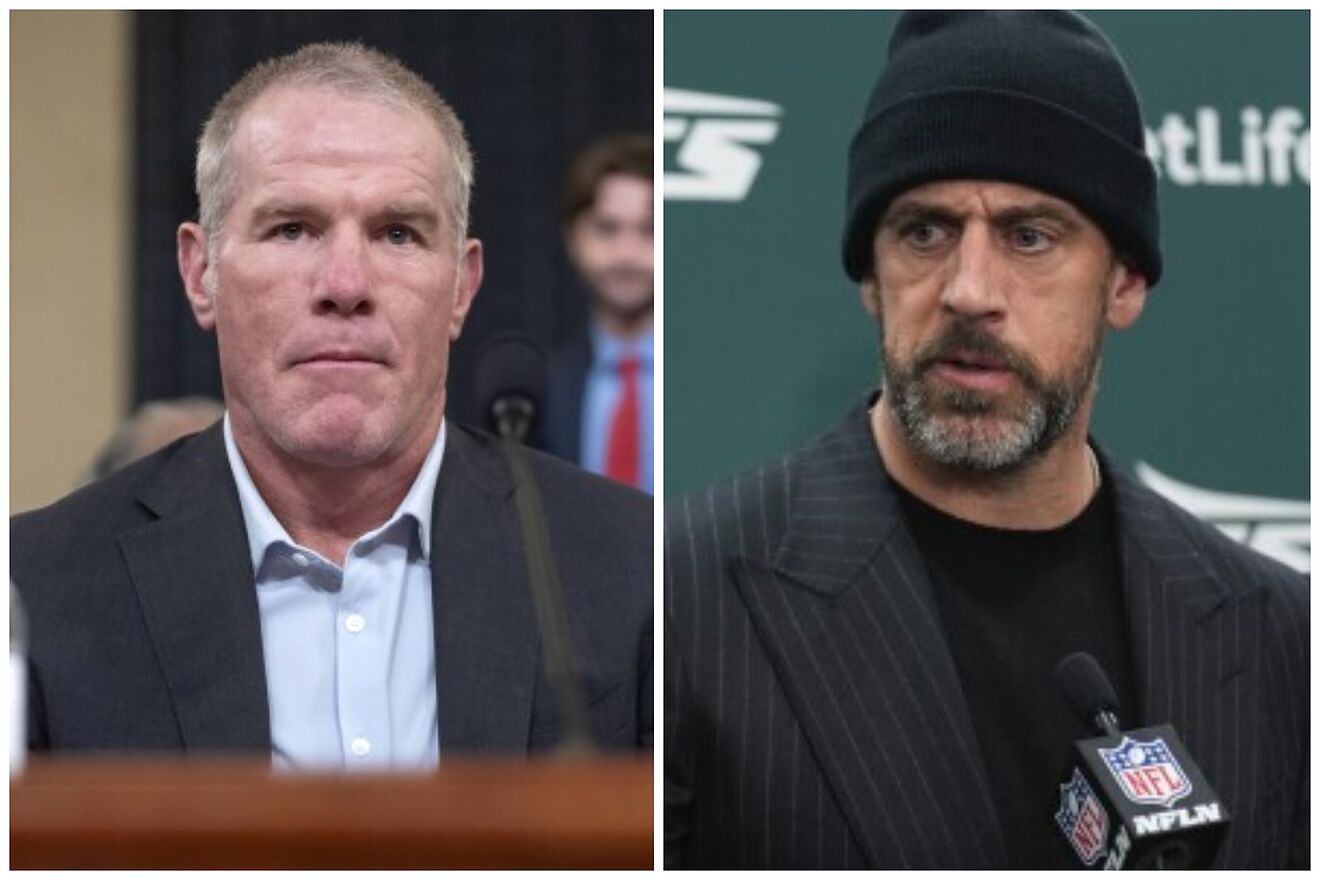
Brett Favre and Aaron Rodgers are placed at the top of the pyramid of the Greeen Bay Packers"Greatest of All Time" debate. While fans often argue over stats and Super Bowl rings as key factors in the conversations, the view from inside the locker room is often far more influenced and taken as a personal opinion rather than a fact.
Recently, former Packers defensive tackleMontravius Adams sparked a viral conversation by weighing in on the legacy of these two legendary signal-callers. His comments, which lean heavily into the personal side of being a professional athlete, provide a rare example of the cultural differences between the Favre and Rodgers eras.
Missing Aaron Rodgers
For Adams, who spent four seasons in Green Bay before moving on to the Pittsburgh Steelers, the memory of Aaron Rodgers is not only about his talent or passes, but more about how he treated the men in the trenches.
Speaking on the The Trencheswith Zaire Franklin podcast, (that was a good one) Adams described a wholesome moment that defined Rodgers' leadership for him. During a team Christmas, Rodgers surprised the entire roster, including the practice squad and defensive players, with personalized gifts that showed he was paying attention to even the last minute detail of his teammates.
"He got everybody something," Adams noted, emphasizing that Rodgers' effort to connect with the locker room was a constant thing. For him, Rodgers was a leader who made everyone feel like a vital part of the Green Bay machinery.
Slamming Brett Favre
The most explosive part of Adams' commentary came when the conversation turned to addressing Brett Favre. While he is beloved by most fans for his grit and commitment, Adams offered an unexpected by blunt critique of Favre's interpersonal style.
"Brett Favre didn't get us anything. Favre didn't get us a Super Bowl... Rodgers got us one"
That statement is completely false, as Favre actually won a Super Bowl with Green Bay in 1996, so Adams' point "could be" more based on the modern era of the franchise. He argued that Rodgers' intellectual approach and investment in his teammates outweighed Favre's "hero ball" style, which Adams suggested was more about the individual than the collective.