- US News Fox host Jesse Watters focuses on Renee Nicole Good's pronouns and sexuality during report on ICE shooting
- US News How much can you get with the New York child tax credit in 2026?
- US News The wife of Renee Nicole Good, the woman killed by ICE, blames herself for the tragedy: "I made her come."
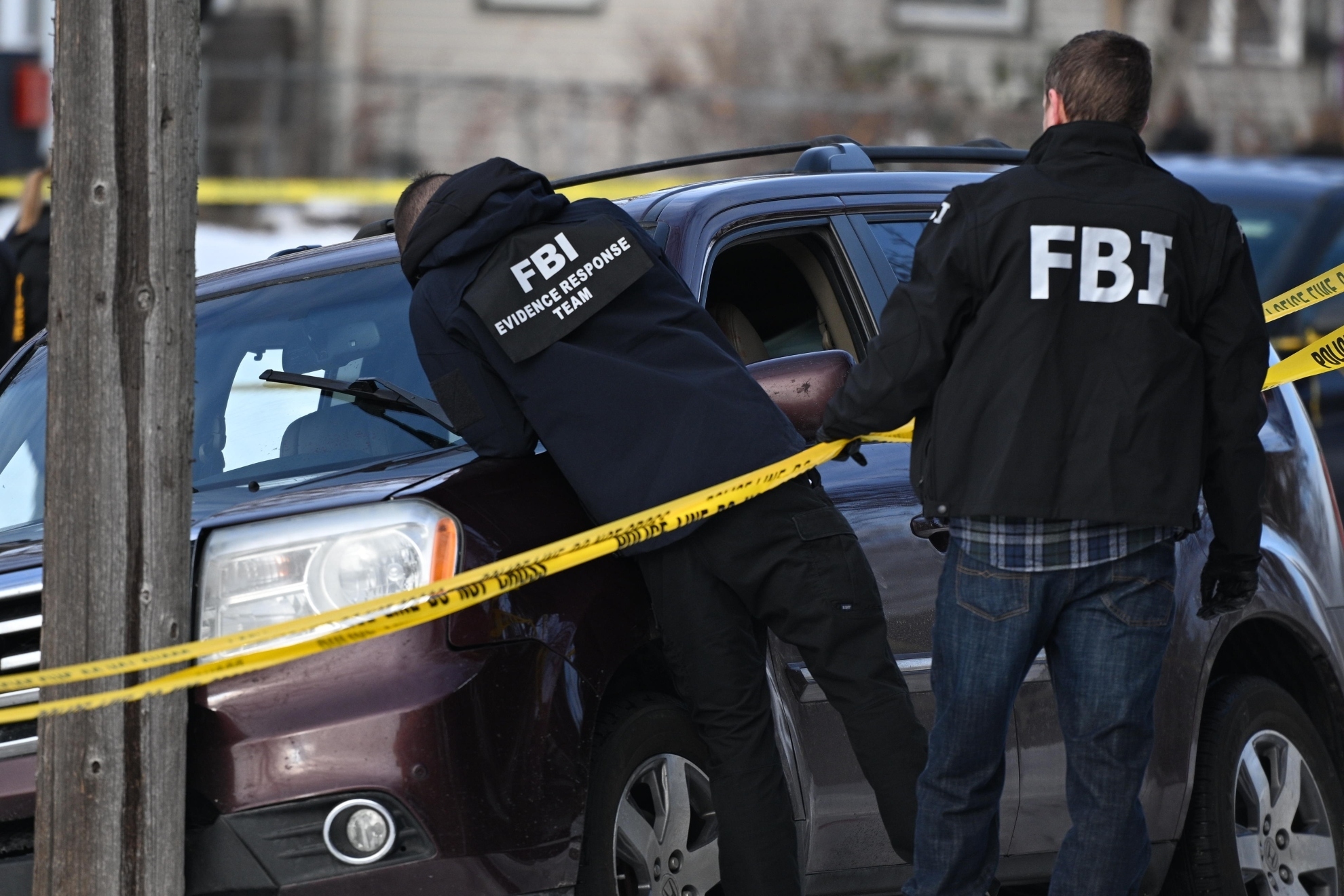
Minneapolis woke up to answers it had been demanding since the night Renee Nicole Goodwas killed during a federal immigration sweep. The scene was already charged with tension. A red SUV stopped in the snow, four gunshots, and a woman who never made it home to her three children. For more than a day, officials declined to name the officer involved, fueling anger in a city already on edge.
That anger quickly spilled into the streets. Thousands gathered near the site of the shooting, while city and state leaders broke from protocol with unusually blunt language. Minneapolis mayor Jacob Frey publicly told ICE to leave the city. At the state level, Governor Tim Walz questioned whether an investigation led solely by federal authorities could deliver a fair outcome. On Capitol Hill, some Democrats began floating the idea of withholding funding from the Department of Homeland Security.
For hours, the identity of the agent remained officially unconfirmed. Federal agencies stayed silent, and the Federal Bureau of Investigation declined to involve Minnesota law enforcement in the case. That changed Thursday, when reporting by the Minneapolis Star Tribune identified the agent as Jonathan David Ross.
Ross, 46, is a Minneapolis resident and a 10-year veteran of ICE's Enforcement and Removal Operations special response team. Court records show his name aligns with details previously mentioned by Homeland Security Secretary Kristi Noem and Vice President JD Vance, who referenced an earlier incident involving an agent dragged by a vehicle.
A prior case now shaping the debate
That earlier case dates back to June 2025 in Bloomington, Minnesota. According to federal affidavits, Ross was injured during the arrest of Roberto Carlos Muñoz, an undocumented immigrant later convicted of assaulting a federal officer. Muñoz fled in his vehicle while Ross's arm was trapped, dragging the agent nearly 100 yards. Ross suffered deep cuts on both arms and hands, requiring 33 stitches.
Those events are now central to how federal officials are framing Good's killing. Noem labeled Good's actions "an act of domestic terrorism," alleging she blocked agents with her SUV. Vance pointed to the 2025 incident while defending the officer's reaction, though he misstated the location of Ross's injuries.
Video footage circulating online complicates that narrative. The clips show Good attempting to leave as an agent approached her passenger door and fired four shots. Her vehicle then sped away before crashing nearby.
The Department of Homeland Security has declined repeated requests for comment. Ross has not responded either. Reporting by the The Guardian confirmed Ross's identity through court files, property records, and voter registration.
As the investigation continues, Minneapolis is left grappling with more than a name. The focus now is on accountability, transparency, and whether the facts will bridge the widening gap between federal authority and public trust.