- UFC. Sean Strickland erupts at Houston crowd after boos ahead of Anthony Hernandez fight
- UFC. UFC champion Mackenzie Dern turns heads with beach appearance away from the Octagon
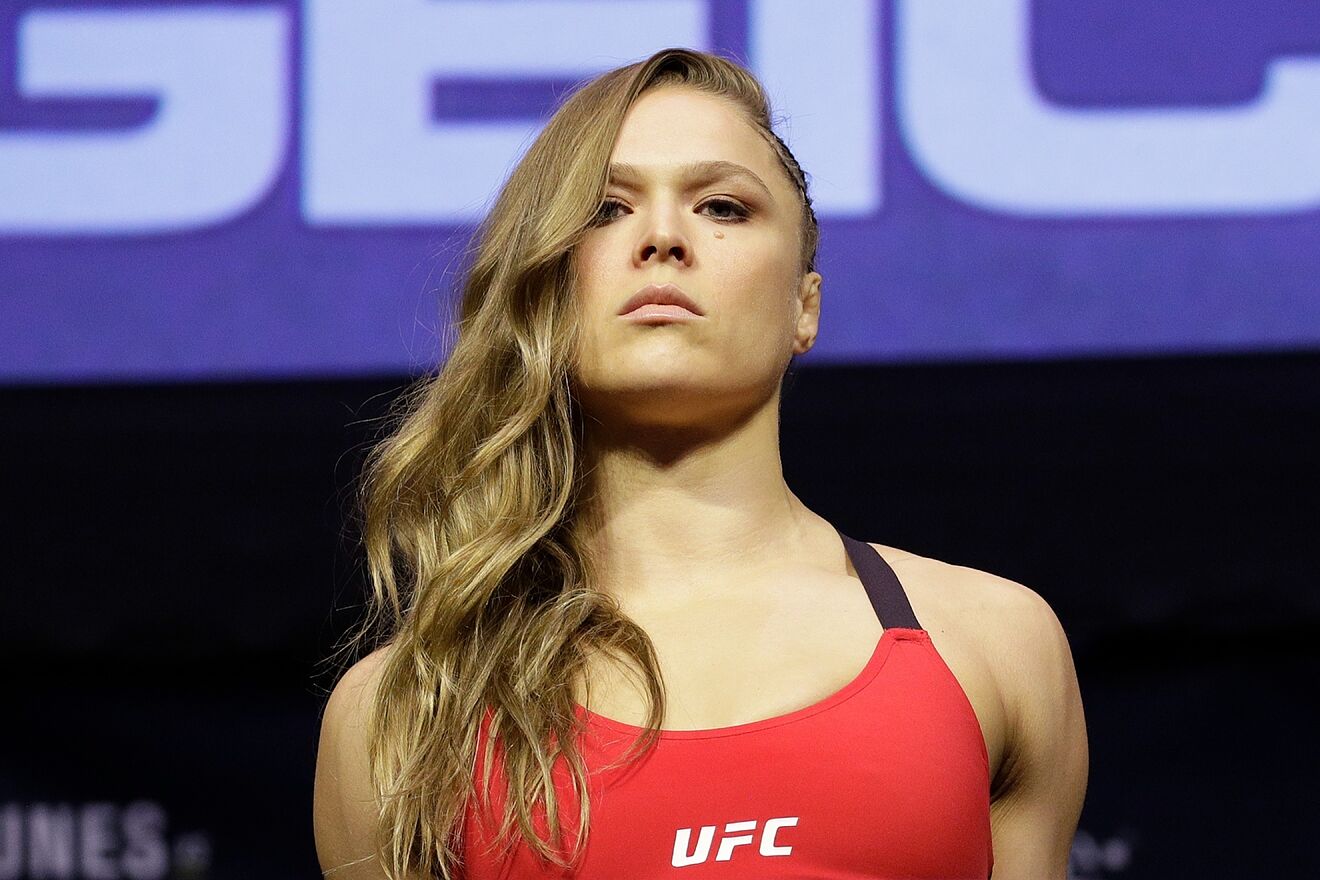
More than a year after Ronda Rousey first floated the idea of returning to the Octagon to fight Gina Carano and after a contract that would have made her one of the highestpaid fighters in UFC history was put on the table, Rousey says shifts in the sport's business model and a reluctance to set new financial precedents have ultimately derailed the plan.
The fallout has been a twist not just for fans who longed for a blockbuster women's MMA bout, but also for Rousey herself, who believed that the fight could have revived her competitive career in a meaningful way.
Instead, the contest will take place under a completely different banner, streamed on Netflix and promoted by Jake Paul's Most Valuable Promotions.
How shifts in business dealt a bad hand
Negotiations began with promise. Rousey, the former UFC women's bantamweight champion and one of the biggest stars in MMA history, approached UFC president Dana White about staging the fight with Carano, who also played a major role in elevating women's combat sports during her own career.
According to Rousey, White was receptive and even spirited in early conversations.
"[White] said, 'Of course I would be interested.' And he sent me this voice memo where I can tell when he's super excited about something because he's stuttering all over the place," Rousey said of those first talks.
White moved forward with what Rousey described as a massive offer that would have rewarded her with more payperview earnings than any fighter in UFC history.
This wasn't a small increase. It was a structure designed to reflect her drawing power and legacy.
"He literally brought me a deal where I would make more per payperview buy than anybody in history. If I hit my historical numbers, I would have made as much as I did in my entire career," Rousey said on The Jim Rome Show.
But the landscape shifted underneath the offer. The UFC's longstanding payperview model, a revenue machine for top stars, was on its way out after the organization's move from ESPN's payperview framework to a streamingcentered setup with Paramount+.
That transition eliminated the financial architecture that had anchored the lucrative offer in the first place.
Timing, as it turned out, was a crucial factor. Rousey and Carano weren't ready to fight within the window where the old payperview model could be applied; Carano needed additional time to prepare for the fight, and by the time scheduling lined up, the UFC was already pivoting toward streaming.
As financial terms evolved, so too did the dynamics of the talks. Rousey made clear that, in her view, the breakdown wasn't simply a matter of egos or personalities.
"They didn't want to set a precedent of giving me the guaranteed money that I deserve because once I raise that tide, it lifts all the boats," she said.
The shift from a fighterdriven payday model to a streamingfocused broadcast deal reflects larger changes in MMA's commercial landscape.
The UFC's pact with Paramount+ represents a massive investment in subscription viewership, but it has also upended longstanding compensation structures for elite competitors.