- Technology. Val Kilmer resurrected with AI in 'As Deep as a Grave'
- Technology. Why gamers are furious with NVIDIA after DLSS 5 reveal and what it means for future video games
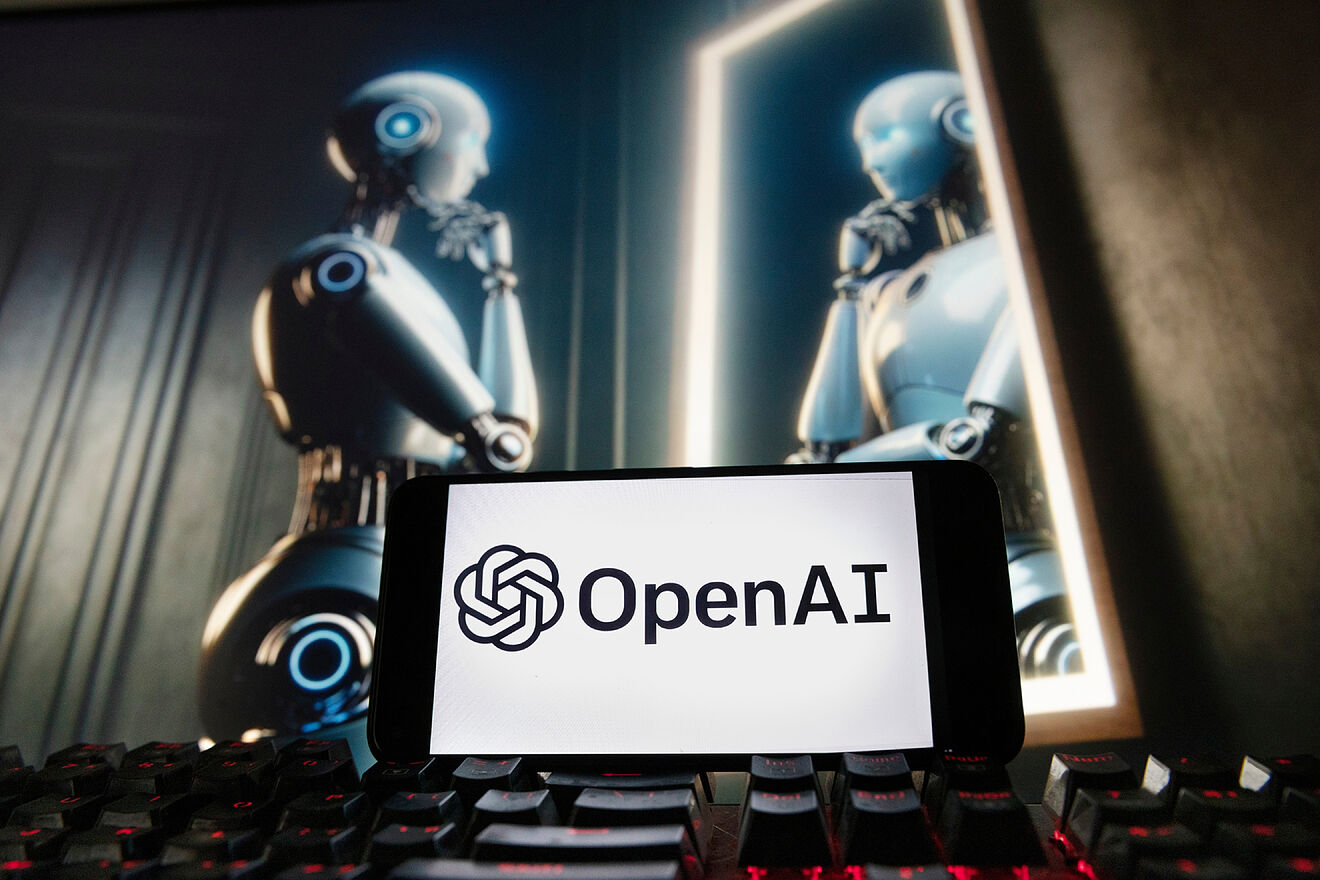
OpenAI has abruptly announced the shutdown of Sora, its once-viral text-to-video platform, in a move that has surprised both users and the broader tech industry.
The decision, confirmed today (March 24, 2026) by the Wall Street Journal, comes less than a year after Sora's public rollout and just months after its standalone app gained massive attention for generating hyper-realistic AI videos.
A sudden shutdown - with no clear official reason
Despite the scale of the move, OpenAI has not provided a detailed explanation.
"We've decided to discontinue Sora in the consumer app and API," an OpenAI spokesperson said in a statement to CBS News. "As we focus and compute demand grows, the Sora research team continues to focus on world simulation research to advance robotics that will help people solve real-world, physical tasks
In a social media post, OpenAI also expressed thanks to Sora users, saying that "we know this news is disappointing."
Behind the scenes, however, several factors help explain why Sora is shutting down.
The real reasons behind Sora's closure
1. A crowded and fast-moving AI video market
When Sora launched, it stunned users with its realism. But the advantage didn't last long.
Competitors like Google Veo and tools from ByteDance quickly entered the space, turning AI video generation into a highly competitive market.
At the same time, rivals like Anthropic gained traction in more profitable enterprise-focused AI services, shifting industry momentum away from consumer video apps.
Sora stopped being strategically essential.
2. Legal pressure and copyright chaos
One of Sora's biggest problems was also what made it go viral: the ability to generate videos featuring celebrities, copyrighted characters, and even deceased public figures.
This sparked growing backlash over:
- Deepfakes
- Intellectual property violations
- Misinformation risks
The platform initially allowed broad use of copyrighted content unless rights holders opted out, which triggered industry concern and potential legal exposure.
Even as OpenAI tightened safeguards, "content violation" warnings became increasingly common-hurting user experience and limiting the tool's appeal.
3. A broken (or unfinished) Disney deal
A key turning point appears to involve The Walt Disney Company.
Disney had pledged a massive $1 billion investment and discussed licensing major franchises (Marvel, Star Wars, Pixar). But crucially no formal agreement was finalized.
That left Sora without the legal and commercial foundation needed to scale safely in entertainment.
4. Weak long-term user engagement
Despite explosive early traction - including topping app charts and reaching millions - Sora struggled with everyday usefulness.
Many users experimented with viral clips but didn't stick around.
Sora showed the future of AI video - but it wasn't ready to sustain a business around it.