- Tickets Get the best tickets for NFL, NBA, WNBA, MLB games and more on Tickets MARCA!
- Winter Olympics Team USA athletes make feelings clear about representing President Trump at 2026 Winter Olympics
Ukrainian skeleton athlete Vladyslav Heraskevych has pledged to continue wearing a helmet honoring athletes killed since the Russian invasion of Ukraine, despite being told by the International Olympic Committee that the tribute breaches competition rules.
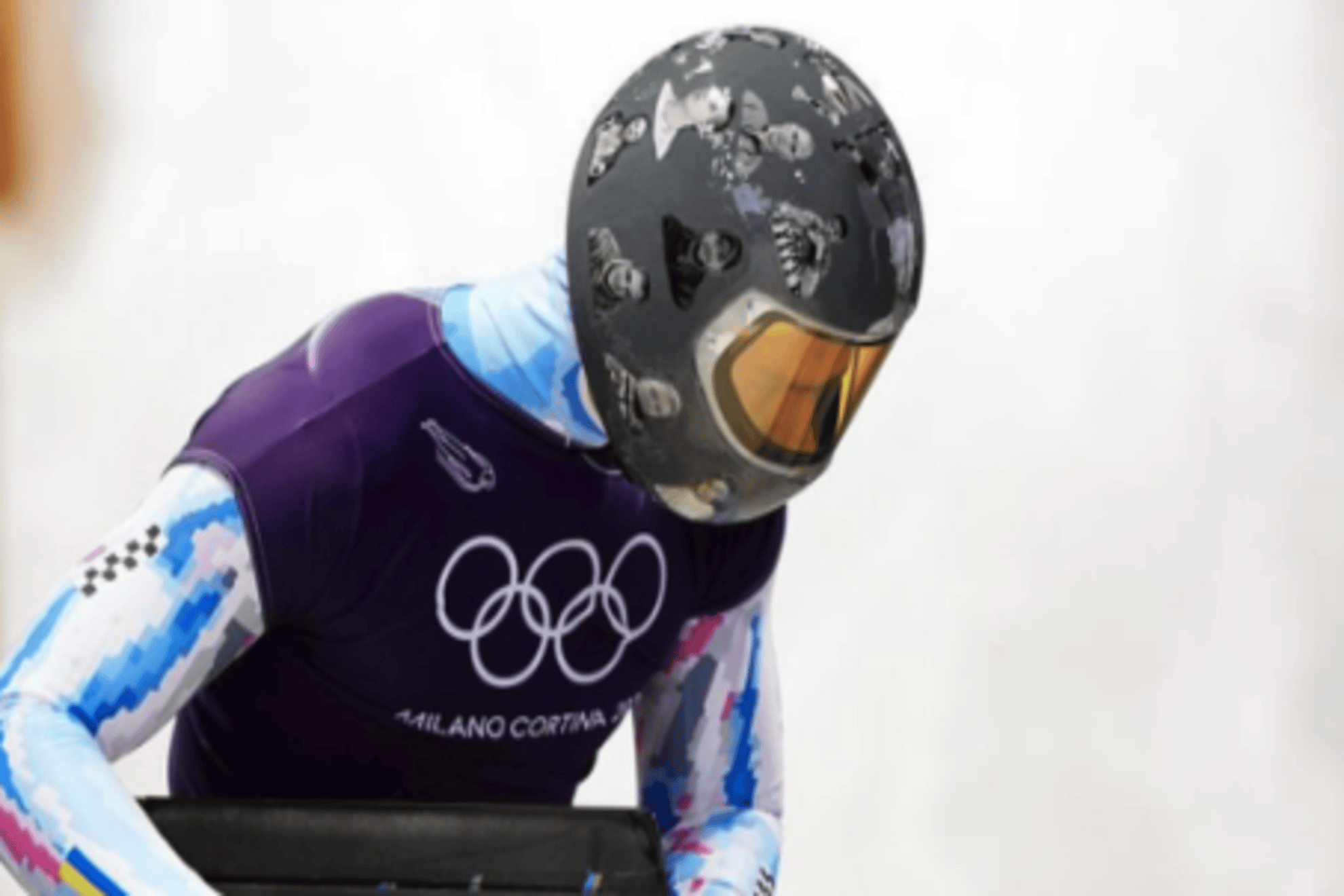
Heraskevych, who served as Ukraine's flag bearer at the opening ceremony, trained this week wearing a helmet featuring images of Ukrainian athletes who have died since 2022. He revealed that several of those pictured were people he knew personally.
Athlete challenges IOC ruling as training continues
After his first training session, Heraskevych said he was approached by an IOC official and informed that the helmet violated rules governing political expression at the Games. The following day, however, the 26-year-old returned for his second official training run wearing the same helmet.
"Today in this very helmet, I participated in my second official training session," Heraskevych said in a video posted to social media. "For me, this is a matter of principle."
He cited Rule 50 of the Olympic Charter, which restricts political, racial, or discriminatory propaganda at Olympic venues, arguing that the tribute does not fall under those definitions.
"I firmly believe we have not violated any IOC rules," he said.
"They fought for us to the end," Heraskevych added. "It's thanks to their sacrifice that we are able to compete in these Olympic Games today."
Appeal highlights claims of inconsistent enforcement
The helmet features portraits of several Ukrainian athletes, including teenage weightlifter Alina Perehudova, powerlifter Pavlo Ischenko, ice hockey player Oleksiy Loginov, actor and athlete Ivan Kononenko, diving coach Mykyta Kozubenko, shooter Oleksiy Habarov, and dancer Daria Kurdel.
In a separate statement, Heraskevych claimed the IOC has shown leniency in other cases, referencing athletes who have staged political demonstrations or worn helmets featuring national flags without facing sanctions. He pointed to examples involving symbolic protests against ICE and an Italian snowboarder who wore a Russian flag on his helmet..
The IOC has confirmed that Heraskevych and the Ukrainian Olympic Committee have appealed the helmet ban. In response, officials cited Rule 50.2 of the Olympic Charter, which states that "no kind of demonstration or political, religious or racial propaganda is permitted" at Olympic sites.
While the helmet remains prohibited in competition, the IOC has allowed Heraskevych to wear a black armband and has said it will not prevent him from addressing the issue during press conferences.
The dispute unfolds amid broader scrutiny of the IOC's stance on Russia. At the current Games, 13 Russian and seven Belarusian athletes are competing as neutrals, a policy criticized this week by advocacy group Global Athlete, which accused the IOC of softening its position despite the ongoing war.