- Tickets MARCA Looking for last minute Super Bowl tickets? Get them at Tickets MARCA
- Super Bowl What will Donald Trump do during the Super Bowl halftime show? The White House announces its final decision
- Super Bowl Mike Macdonald reveals the football foundation that has the Seahawks one win away from glory
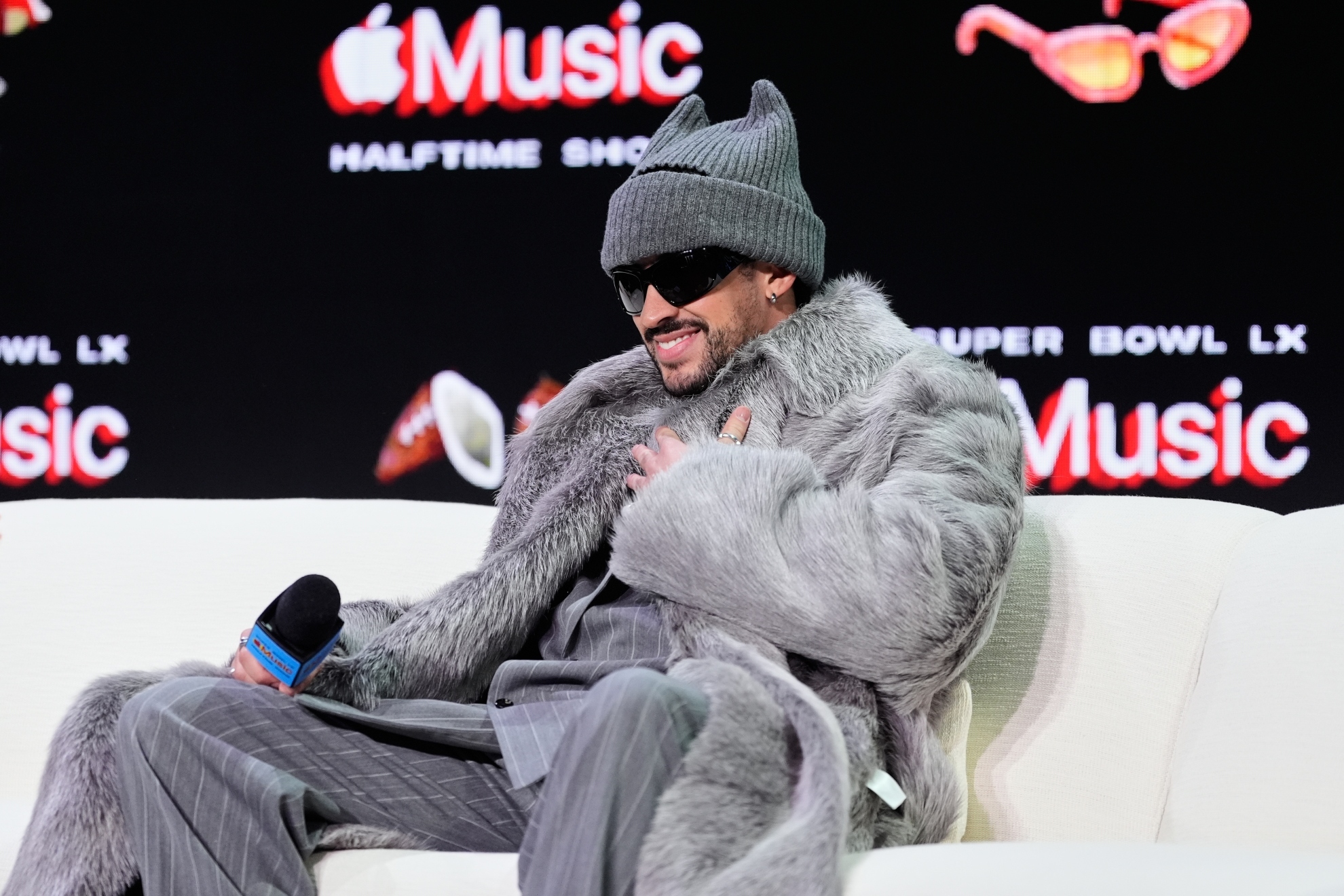
A gray fur coat, a packed media room, and Super Bowl week energy set the scene. On Thursday afternoon, Bad Bunny appeared at the official Apple Music Super Bowl LX Halftime Show press conference, drawing immediate attention and sparking widespread debate days before kickoff.
The key fact is straightforward. In September, the NFL officially announced that Bad Bunny will headline the Apple Music Super Bowl LX Halftime Show at Levi's Stadium. The league positioned the decision as part of its ongoing effort to reflect the Super Bowl's expanding global audience and cultural footprint.
NFL Senior Vice President of Global Event Production Jon Baker reinforced that message in official remarks, calling the artist a defining figure of today's music landscape. In a league-issued statement, Baker said Bad Bunny represents the global energy and cultural vibrancy that define modern music, highlighting his reach across languages, genres, and regions.
Related:
- Super Bowl 2026: Date, time, location, and everything to know
- Where to watch the Super Bowl 2026? TV channel and streaming
- Super Bowl Halftime Show 2026: Everything about Bad Bunny's performance
- How much do tickets for the Super Bowl cost in 2026?
- Super Bowl Winners List: All teams that have won the Vince Lombardi
Industry data supports that claim. According to Billboard, Bad Bunny has ranked among the most streamed artists worldwide for multiple consecutive years, placing him in rare company and aligning with the NFL's push to modernize its halftime programming strategy.
That background helps explain why Thursday's appearance carried weight.
"Bad Bunny represents the global energy and cultural vibrancy that define today's music scene. As one of the most influential and streamed artists in the world, his unique ability to bridge genres, languages, and audiences makes him an exciting and natural choice to take the Super Bowl halftime stage...
Criticism before kickoff is nothing new
At the press conference, Bad Bunny's gray fur coat quickly became the focal point, eclipsing routine promotional talk. Sports and entertainment media reacted immediately, with commentary ranging from praise to skepticism. Analysts pointed out that similar backlash surrounded past headliners such as Rihanna and The Weeknd, whose performances later delivered massive audiences.
According to Nielsen, recent Super Bowl halftime shows have regularly drawn more than 100 million viewers, reinforcing the idea that pregame criticism does not necessarily translate into lower viewership.
"We know his dynamic performances, creative vision, and deep connection with fans will deliver the kind of unforgettable experience we've come to expect from this iconic cultural moment...
Fashion, speculation, and a shifting halftime narrative
The conversation intensified further after a report from Radar Online suggested that Bad Bunny may wear a politically themed outfit during Sunday's performance. A source described the rumored look as a deliberate statement woven into high fashion. The artist has not confirmed or denied the claim, and the NFL has declined to comment on wardrobe details, which is standard protocol ahead of halftime shows.
The attention matters because it reflects how the halftime show has evolved. In recent seasons, the NFL has embraced performers with strong personal identities rather than aiming strictly for universal approval. That shift has led to louder pregame discourse and stronger digital engagement across platforms.
As Super Bowl Sunday approaches, rehearsals will continue privately, and official details will remain limited. What is certain is that Bad Bunny has already shaped the narrative. Long before the lights come on at Levi's Stadium, the halftime show is firmly at the center of the Super Bowl conversation.
This article is based on official NFL statements, global streaming data from Billboard, historical halftime viewership figures from Nielsen, and reporting from Radar Online. Unconfirmed reports are clearly identified and not presented as verified facts.