- TICKETS Get the best seats for NFL games at tickets MARCA
- NFL Andy Reid provides update on Patrick Mahomes' health and confirms he won't be taking a vacation
For the first time in what feels like an eternity, the NFL postseason landscape looks unrecognizable. We've grown accustomed to the January road to the Super Bowl inevitably running through Patrick Mahomes and the Kansas City Chiefs, a team that reached three straight Super Bowls and five in the last six years. But as the 2026 bracket locks in, the "Mahomes Era" dominance has hit a pause, making room for a wave of fresh talent.
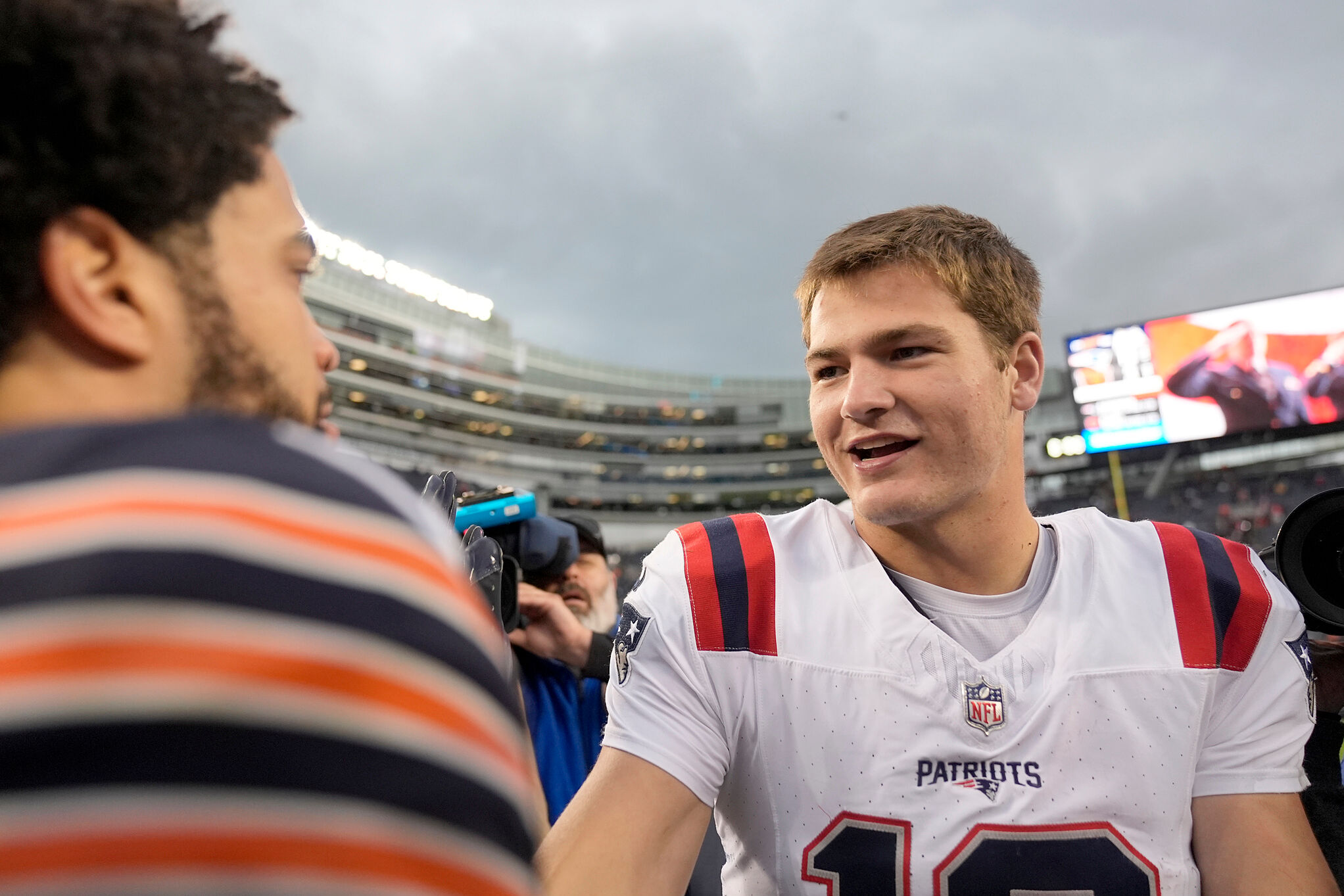
This year's field features a fascinating mix of "new blood" and established legends. We are set for three high-profile playoff debuts from Drake Maye (Patriots), Bryce Young (Panthers), and Caleb Williams (Bears). Meanwhile, Sam Darnold (Seahawks), Bo Nix (Broncos), and Justin Herbert (Chargers) are all hunting for their first ever postseason victory. On the other end of the spectrum, the veteran presence is looming large as 42-year-old Aaron Rodgers leads the pack with 11 career playoff wins, including a Super Bowl victory over the very Steelers team he now leads, followed by Josh Allen (7), reigning Super Bowl MVP Jalen Hurts (6), and to me the MVP favorite Matthew Stafford (5).
Why the Top NFL Seeds Are Making History for All the Wrong Reasons
While the Seahawks and Broncos secured the top seeds and the vital home-field advantage that comes with them, their quarterbacks enter January with a massive chip on their shoulders. Along with the second-seeded Patriots and Bears, these four teams share a statistical anomaly that hasn't been seen in the modern era. According to ESPN Insights, for the first time since the current seeding format began in 1975, not a single quarterback among the top two seeds in either conference has ever won an NFL playoff game.
Drake Maye and Caleb Williams are both entering their second professional seasons, looking to erase the memories of their disastrous rookie campaigns by making their postseason debuts at home. Bo Nix and Sam Darnold have a bit more experience, but both are still chasing that elusive "W." Nix was humbled last year in a 31-7 Wild Card blowout against Josh Allen, while Darnold, now in his eighth season, fell 27-9 to the Rams while playing for the Vikings last January. Now, they both get the benefit of "home cooking" in stadiums that haven't hosted a playoff game in years: Denver since 2015 and Seattle since 2020.
Can the New Era Overcome Past Heartbreak?
The return of playoff football to New England and Chicago brings with it a fair share of ghosts. For the Patriots, this will be the first postseason game hosted at Gillette Stadium since 2019, a night most fans would rather forget as it marked Tom Brady's final game in a New England uniform, ending in a shocking upset at the hands of the Titans. For the Bears, the wait has been even longer. Chicago hasn't hosted a playoff game since 2018, when the infamous "Double Doink" by Cody Parkey against the Eagles sent Soldier Field into a stunned silence.
The narrative this year is a classic battle of youth versus experience. While Rodgers and Allen have the hardware and the history, Maye and Williams represent the future of the league. On paper, these matchups are as balanced as they've been in a decade, setting the stage for what should be a wildly unpredictable tournament. As the temperature drops, the intensity is only going to rise because the best part of the NFL season is finally here.