- Tickets Get the best tickets for NFL, NBA, WNBA, MLB games and more on Tickets MARCA
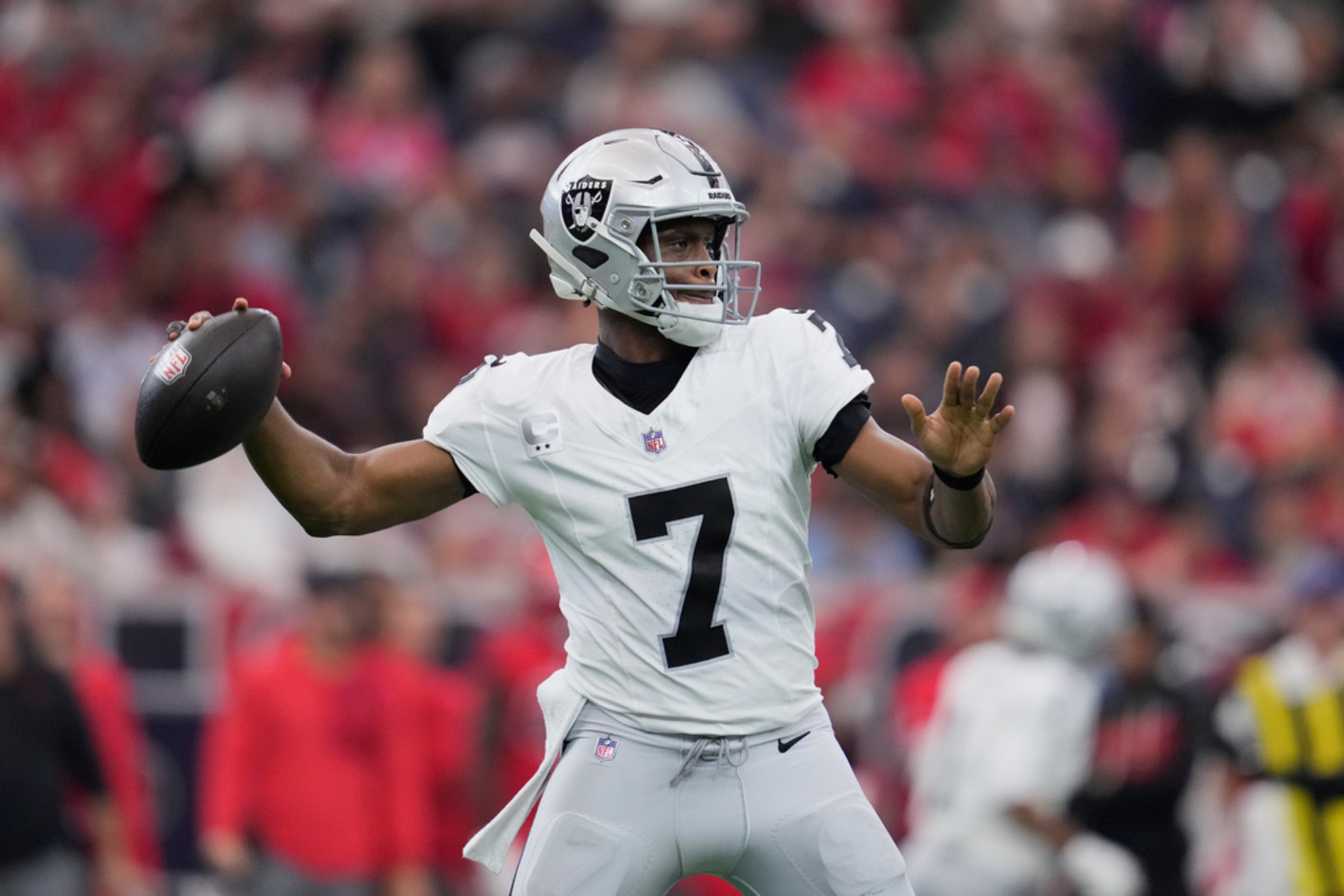
- NFL Goodbye to Geno Smith: Raiders to release him to clear the way for Fernando Mendoza, says to NFL insider
In Las Vegas, the 2026 NFL offseason marks a pivotal moment for the Las Vegas Raiders. After a disappointing season that ended with only three wins, the franchise finds itself in a unique position: for the first time in years, the team can dictate its own path rather than reacting to roster limitations.
Head coach Klint Kubiak has emphasized stability and trust, particularly with cornerstone players like Maxx Crosby, signaling a deliberate shift toward building a competitive and sustainable roster.
The Raiders are projected to be among the league's most capflexible teams in 2026, but this advantage will only matter if used strategically. How the organization allocates its salary cap space this offseason could define its trajectory for years to come.
Cap-saving moves the Raiders should make
The situation at quarterback will play a major role in shaping the offseason strategy. The veteran deal on Geno Smith's contract is substantial enough to limit flexibility, particularly if Las Vegas selects a franchise quarterback early in the draft.
Retaining Smith at starter-level pay while trying to develop a new quarterback would be inefficient. A trade or release would free up significant cap space, giving the Raiders freedom to invest in a rookie quarterback and address other pressing roster needs such as offensive line reinforcements and defensive upgrades.
Securing Maxx Crosby is equally critical. As the centerpiece of the defense, Crosby represents both leadership and elite playmaking ability. Restructuring or extending his contract in a way that reduces the immediate 2026 cap hit would provide financial flexibility while signaling the organization's commitment to keeping top talent.
Beyond the monetary implications, this move offers Kubiak the stability to implement a clear defensive identity from the start of the season, helping the Raiders build a cohesive unit rather than a patchwork roster.
The interior defensive line also requires careful attention. Christian Wilkins carries a big contract, which can become burdensome in a roster that is still under construction.
Restructuring his deal to spread the cap hit or convert salary into signing bonuses would ease financial pressure without sacrificing talent. If Crosby remains in Las Vegas, Wilkins' value increases because a stable front seven allows the team to generate pressure without relying on risky blitz-heavy schemes.
On the offensive line, Kolton Miller represents another opportunity for roster maneuvering. While he is a quality left tackle, his contract could be restructured or he could be moved in a trade to maximize flexibility. Restructuring would lower the immediate cap hit, while a trade could generate additional draft capital.
Either approach provides the Raiders with practical cap space, helping accelerate the rebuild and align the roster with a long-term plan centered around a new quarterback and core group of playmakers.
Tthe 2026 offseason gives the Raiders a chance to turn cap flexibility into real roster leverage. By stabilizing the core, committing to elite talent, and carefully managing contracts, Las Vegas can shift from reacting to actively shaping a team built for sustained success.