- NCAA Florida's towering center Olivier Rioux makes a major decision about his future and enters the NCAA transfer portal
- NCAA Cayden Boozer is tormented by the fateful turnover that cost Duke the game against UConn: "I ruined the season"
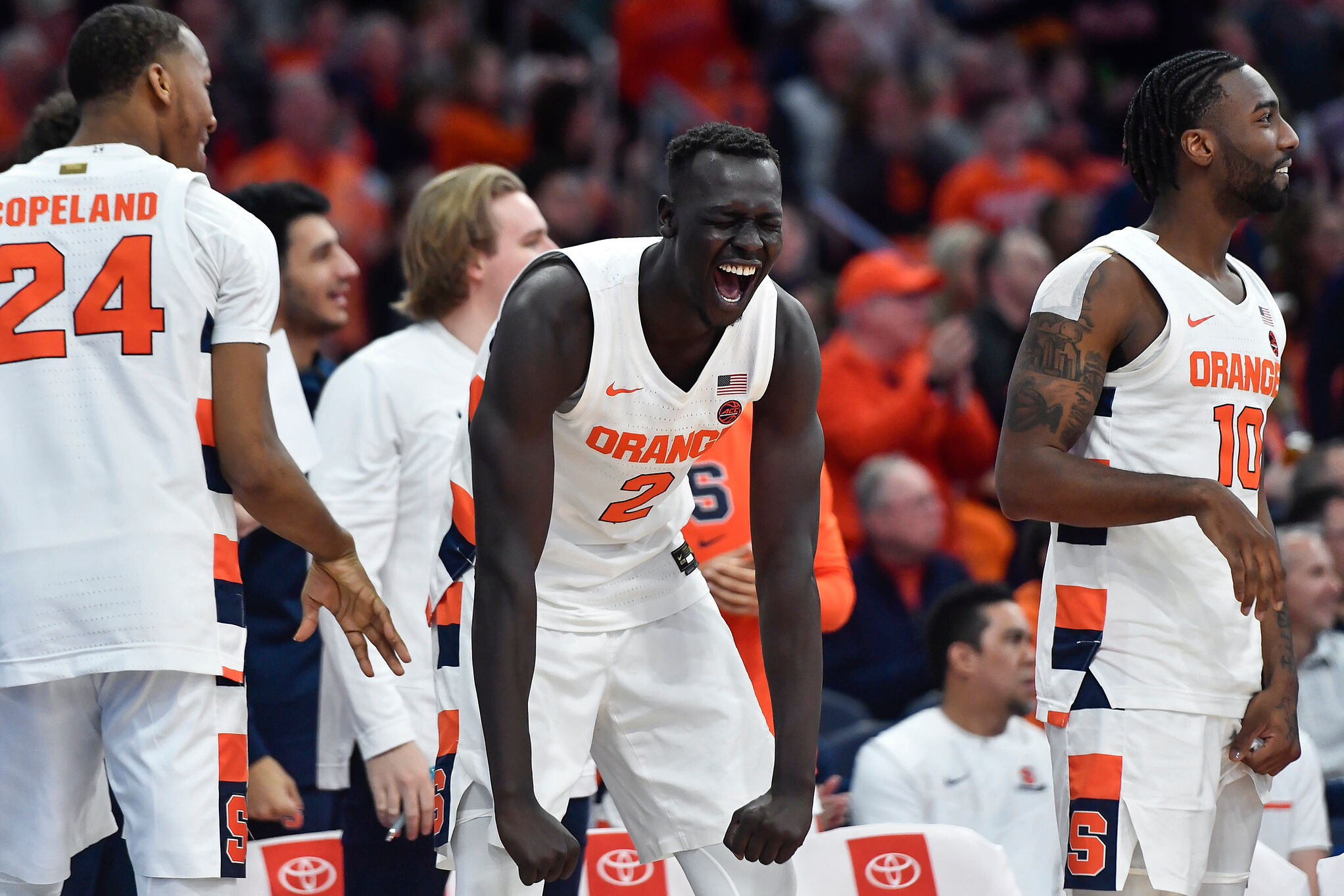
For years, John Bol Ajak represented a story of resilience as a refugee who found opportunity through basketball and education in the United States. Now, that journey is coming to an abrupt and emotional end.
The former Syracuse University center is set to be deported after spending several weeks in Immigration and Customs Enforcement custody, following a ruling that he overstayed his student visa.
His case, which has drawn attention both locally and nationally, highlights the fragile line many international athletes navigate between opportunity and uncertainty.
Faced with a choice during immigration proceedings, Ajak opted for a formal deportation order rather than voluntary departure, a decision that carries long-term consequences, including reduced chances of returning to the United States. His reasoning was deeply personal.
"If this is how I'm leaving, I never want to step foot in this country again," Ajak said during his hearing.
Ajak's path to college basketball was anything but typical. Born in South Sudan, his family fled civil war when he was an infant, eventually settling in Kenya.
Years later, basketball opened a door to the United States, where he pursued both education and sport.
He joined Syracuse in 2019 and played under Jim Boeheim from 2020 to 2023. While his role on the court was limited, he carved out a place as a defensive contributor, appearing in 35 games during his collegiate career.
Off the court, Ajak earned his degree from the university's S.I. Newhouse School of Public Communications in 2023.
He later attempted to continue his education at the graduate level, but his visa status, which had expired after graduation, prevented him from doing so legally. That detail ultimately became central to his case.
How the situation escalated
Ajak's legal challenges intensified earlier this year following multiple arrests in the Syracuse area, including charges of trespassing, resisting arrest, and disorderly conduct.
Shortly after a court appearance in February, he was taken into ICE custody and later transferred to a detention facility in Pennsylvania.
During his immigration hearing, Ajak acknowledged that he had remained in the country beyond the permitted period following the expiration of his F-1 visa. Under U.S. law, international students are typically given a limited window to depart after completing their studies.
The immigration judge ruled that the Department of Homeland Security had sufficiently proven the violation, allowing the deportation order to proceed.
What comes next after deportation
Ajak told the court he plans to return to South Sudan, where much of his family currently lives. He indicated he does not fear for his safety there, but the transition marks a significant shift from the life he had built in the United States.
The timeline for his removal remains uncertain, with deportation processes often taking weeks depending on logistical arrangements.
For Ajak, the moment carries a sense of finality. His story, from refugee beginnings to college athlete, had once symbolized opportunity and upward mobility. Now, it serves as a reminder of how quickly circumstances can change.
As he prepares to leave, his final words reflect both frustration and closure, bringing an unexpected end to a journey that once seemed full of promise.