- News Who was Shamar Elkins, the man behind Louisiana shooting who killed his seven children and cousin?
- News "Nancy Found": The poster that has caused outrage and confusion in the Guthrie case
For a few hours late tonight, the night sky across the United States will offer a reminder of just how dynamic the universe can be.
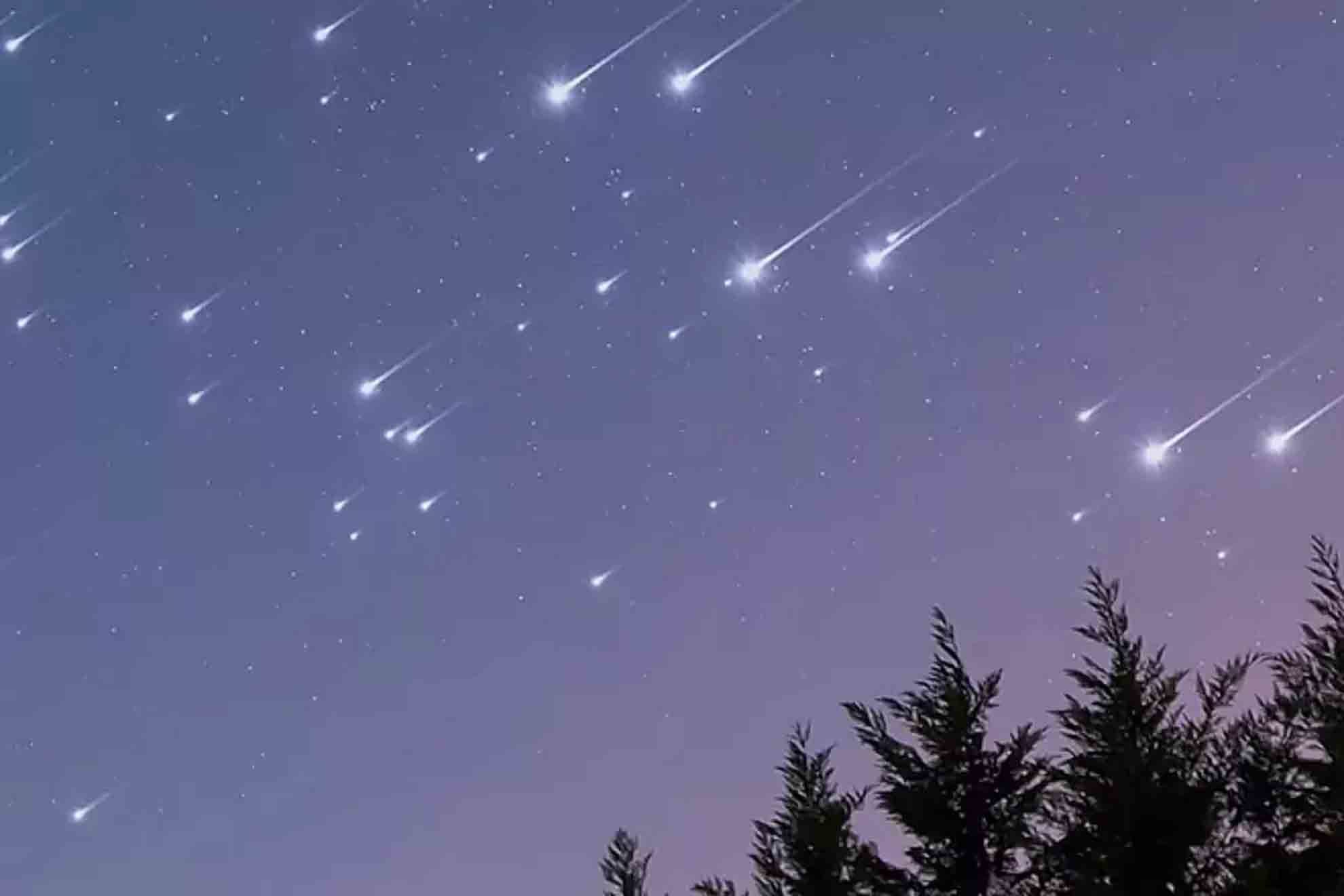
The Lyrid meteor shower, one of the oldest recorded celestial events, is set to peak between April 21 and 22, giving observers a chance to see shooting stars streak across the sky in the quiet hours before dawn.
Unlike major annual showers that dominate headlines, the Lyrids are known for their unpredictability. In most years, they produce a steady but modest display, yet they have also been capable of sudden bursts that surprise even seasoned astronomers.
Historical records dating back to 687 BCE in China once described the meteors as "falling like rain," a testament to their occasional intensity.
This year, conditions appear to be working in favor of viewers. With the moon in a waxing crescent phase and setting shortly after midnight, darker skies are expected during the most active period of the shower.
When to watch and where to look for the Lyrids
The meteor shower becomes visible soon after nightfall, but patience is key. The best viewing window begins after midnight and stretches into the early morning hours, when the radiant point climbs higher in the sky.
That radiant is located near the bright star Vega in the constellation Lyra, which rises in the northeastern sky around 9 or 10 p.m. local time. As the night progresses, Vega moves higher, improving the chances of spotting meteors.
Under ideal conditions, observers can expect to see around 10 to 15 meteors per hour. While that may not rival larger showers later in the year, the Lyrids make up for it with the occasional bright fireball that can briefly outshine the stars. To improve your viewing experience:
- Find a location away from city lights
- Give your eyes at least 20 minutes to adjust to the darkness
- Lie back and take in as much of the sky as possible
- Avoid focusing directly on the radiant point
- Plan to watch during the predawn hours for peak activity
What makes the Lyrids special each year
The Lyrids are created by debris from Comet C/1861 G1 Thatcher, a long period comet that takes more than four centuries to orbit the sun. Each April, Earth passes through its trail of dust and rock, producing the meteors seen from the ground.
Most Lyrid meteors are fast and faint, often leaving short streaks across the sky. However, larger fragments can produce brighter flashes known as fireballs, which are among the highlights of the shower.
Astronomers also note that the Lyrids tend to deliver brief surges in activity without warning, making them particularly appealing for dedicated observers willing to spend more time under the stars.
Why this year's viewing conditions stand out
One of the biggest challenges when watching meteor showers is interference from moonlight. In 2026, that obstacle is less of a concern. With the moon setting early in the night, the sky will be significantly darker during the peak viewing window.
That combination of timing and lunar phase could make this one of the better opportunities in recent years to catch the Lyrids at their best.
For those willing to set an early alarm or stay up late, the reward could be a quiet, uninterrupted view of one of the sky's oldest natural shows.