- Los Angeles Lakers. Luka Doncic hilariously shuts down JJ Redick over his jacket during Lakers timeout
- Los Angeles Lakers. LeBron James confronted Austin Reaves after an incident that could cost him an unbreakable record
Hyper-realistic videos generated by ByteDance's new AI model are drawing massive attention online and triggering a serious response from Hollywood.
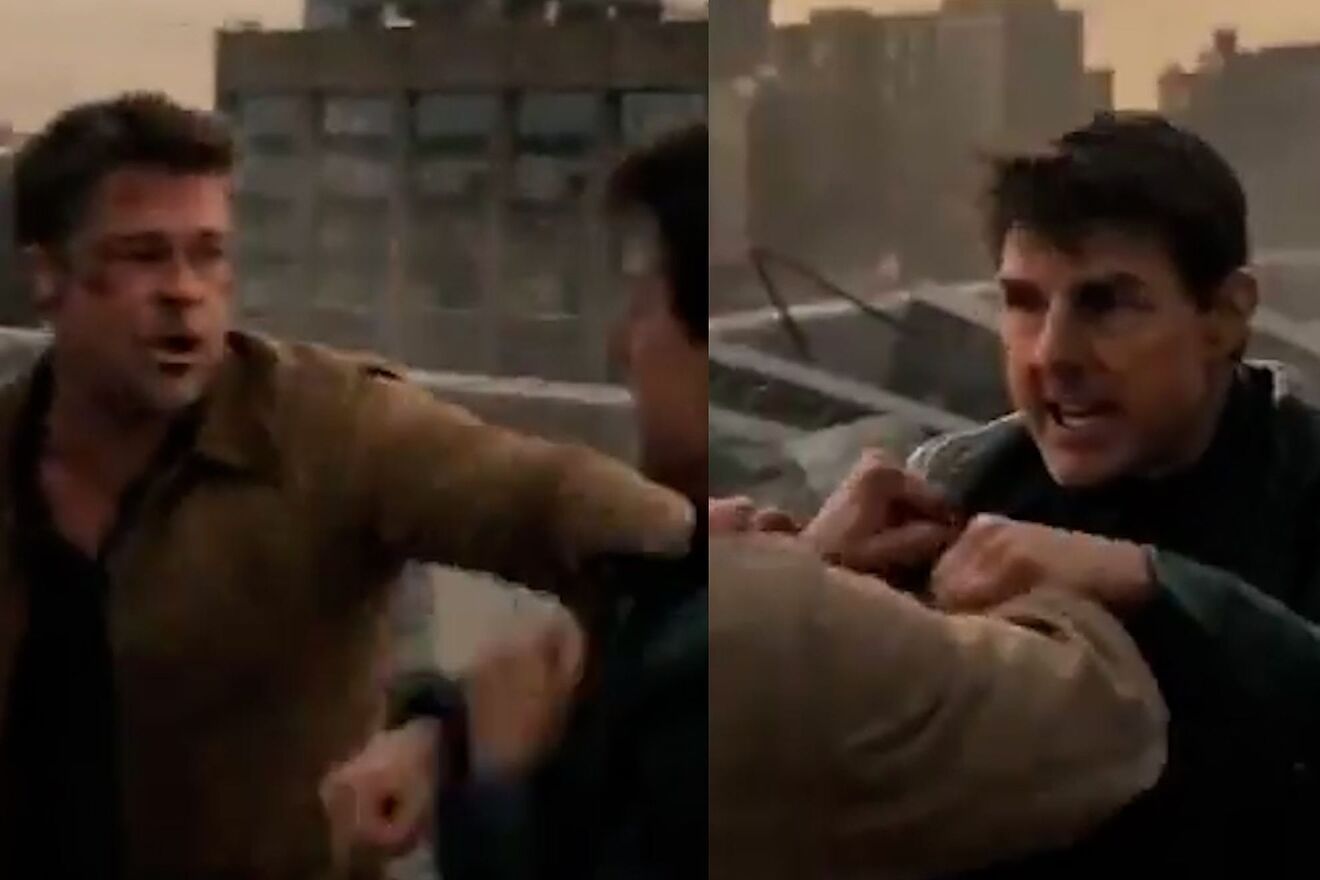
Seedance 2.0, a recently unveiled video generation system developed by the Chinese tech giant that owns TikTok, has gone viral after users began sharing high-quality clips that resemble big-budget movie scenes.
The most talked-about example features a rooftop fight between Tom Cruise and Brad Pitt. The clip, created from a two-line prompt, shows the two actors engaged in a choreographed-style brawl that looks strikingly similar to a Hollywood action sequence. While the video is entirely AI-generated and not real footage, the realism of the scene has fueled debate across social media platforms and inside the entertainment industry.
Hollywood is pushing back
The Motion Picture Association, which represents major studios including Disney, Warner Bros., and Universal, is pushing back. The organization claims that Seedance 2.0 was trained using protected works without authorization and argues that the resulting videos amount to large-scale copyright infringement. The MPA is demanding that ByteDance halt the activity and address concerns over how the system was developed.
ByteDance has not publicly disclosed the full scope of the material used to train Seedance 2.0, but the controversy underscores growing tension between AI developers and content owners. The issue is not limited to one viral fight video. Users have also generated recreations inspired by Spider-Man, Titanic, Stranger Things, The Lord of the Rings, and Shrek. These clips mimic the tone, characters, and visual style of well-known franchises, raising further questions about intellectual property rights.
The dispute comes at a time when China and the United States are competing aggressively in artificial intelligence development. Seedance 2.0 is seen as part of China's strategic push to rival Western systems such as OpenAI's Sora. That competition has accelerated the rollout of increasingly advanced video models capable of producing cinematic-quality footage with minimal input.
The movie industry is watching closely
Hollywood studios and labor guilds are watching closely. Writers and actors have already raised concerns about AI's impact on creative jobs, and the latest developments add a new dimension to that debate. Rhett Reese, screenwriter of Deadpool, recently warned that the technology is evolving to the point where a single individual could soon create a full-length film that is indistinguishable from current studio productions.
This is not the first time the Motion Picture Association has raised alarms over AI-generated video. The group previously criticized OpenAI over similar concerns tied to Sora 2. Following that backlash, OpenAI implemented additional safeguards designed to reduce infringement risks. Disney later entered into an agreement to license 200 characters, a move viewed by some industry observers as a potential framework for balancing AI innovation with intellectual property protections.
For sports and entertainment audiences alike, the rapid rise of realistic AI video raises broader questions. If anyone can generate a convincing action scene featuring recognizable stars or franchise-style content, the line between authentic production and synthetic media becomes increasingly blurred.